
Election Volunteering
So you want to be an election worker but need help figuring out where to start?
Learn more and sign up below to indicate your interest in serving as a poll worker, canvass or poll monitor.
Poll workers must be registered to vote in their county, or be 17 years old with proper permission.
Poll workers are essential volunteers each election season. Once you have signed up, plan on participating in an information session hosted by the Committee of Seventy. You can find a list of additional resources, as well upcoming training sessions at seventy.org/become-a-poll-worker.
Please note, your county will contact you if you are selected to work on Election Day; this placement could come as late as the day before the election.
Sign up below to volunteer as a poll worker, poll monitor, or canvass monitor by clicking the appropriate button.
Poll Workers
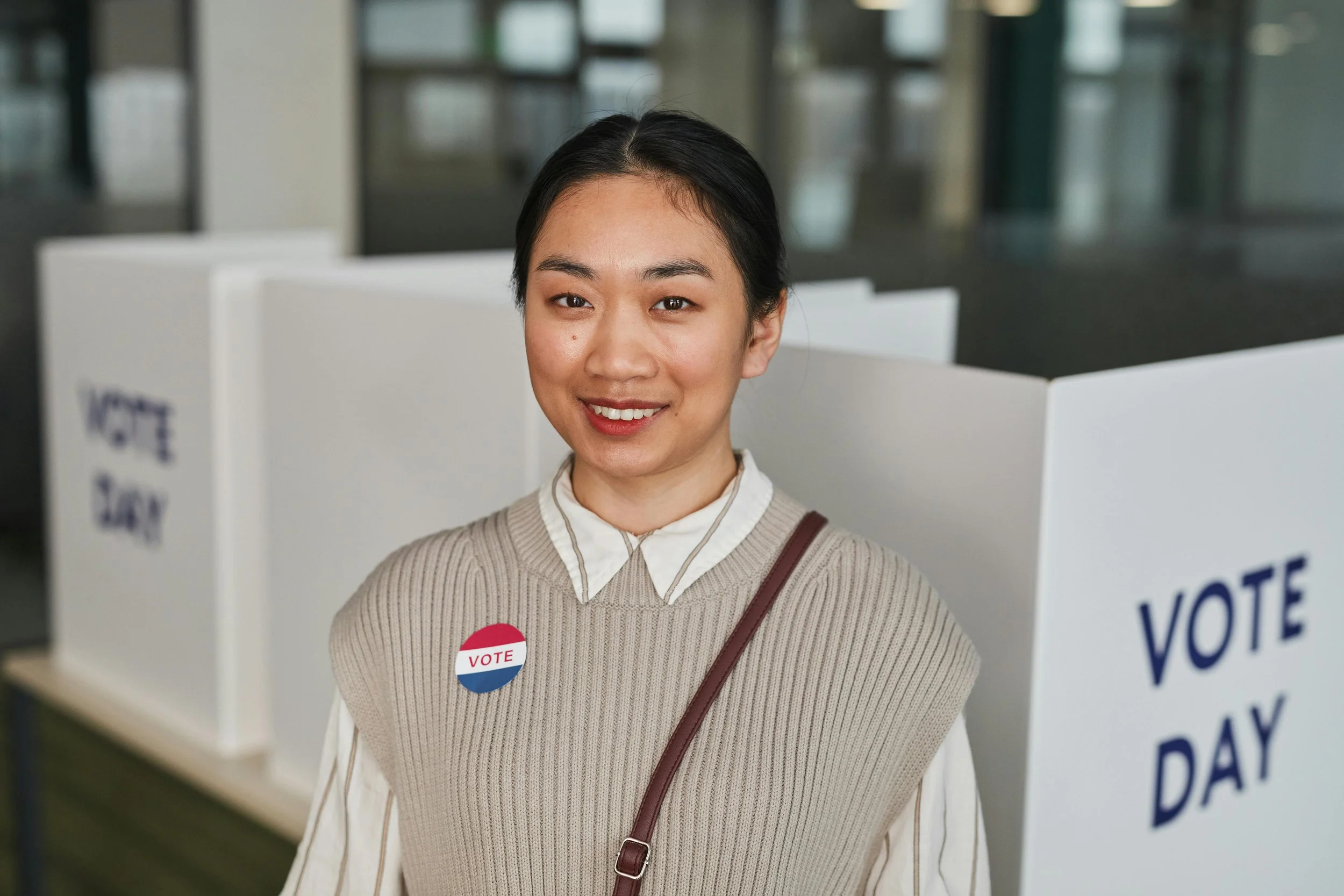
Poll Workers work inside polling places to assist with the set up, opening, and closing of polling places. They help check-in voters, manage lines, and guide voters through each step of the process within the polling place. Poll workers are not partisan roles and are a great opportunity to serve your community, meet new people, and be involved in democracy! There are just a few requirements:
You must be a registered voter;
You must live in the county in which you wish to serve;
There is mandatory training in-person or online before Election Day to make sure you are prepared; and,
You must be available for the entirety of Election Day, before polling places open at 7am and after they close at 8pm.
Poll workers are essential volunteers each election season. Once you have signed up, plan on participating in an information session hosted by the Committee of Seventy. You can find a list of additional resources, as well upcoming training sessions at seventy.org/become-a-poll-worker.
Please note, your county will contact you if you are selected to work on Election Day; this placement could come as late as the day before the election.
Canvass Monitors
Canvass Monitors ensure that all eligible voters’ ballots are counted. The official canvass is the entire process of ensuring votes are counted correctly and that required audits are completed, concluding in the certification of results by the county Election Board. Canvass Monitors are critical to observing the counting and adjudication of ballots and monitoring and responding to election threats, such as mass ballot challenges, attempts to stop the canvassing or certification processes, and/or attempts to disqualify eligible ballots. They also document and report any efforts to disrupt, interfere with or stop the computation or canvass process. Canvass Monitor volunteers should have availability for virtual training, availability in the days following Election Day, and are willing to travel within your county or to neighboring counties to observe the canvass.
For more information on canvass monitoring, email info@palwv.org
Poll Monitors
Poll Monitors are nonpartisan volunteers who are outside of polling places to offer voters help, if needed. They are different from poll workers inside the polling place and from poll watchers and electioneers standing outside polling places to help political parties and candidates. Poll monitors are trained by Common Cause ahead of election day and will have support throughout the day. Working outside the polling places is critical to Election Protection because trained nonpartisan volunteers serve as a friendly face to greet voters at the polls, a resource for any questions voters might have, and as voters' first line of defense against confusing voting rules, misinformation, and any obstacles they might encounter to casting a ballot.
The League of Women Voters of Pennsylvania (LWVPA) works in partnership with Common Cause PA and Protect the Vote to recruit volunteers to be outside polling locations as poll monitors on Election Day. Once you have signed up, plan on attending a training hosted by Common Cause.).

Poll Worker Resources
Free, fair, and accessible elections are vital to Pennsylvania democracy and poll workers are a crucial part of every election. As a joint project with the Committee of Seventy, we have gathered resources to assist you in becoming a poll worker, recruiting others, and ensuring a safe, secure election day.
-
-
-
Your county will contact you if you are selected to work on Election Day. Note, this placement could come as late as the day before the election.
Your local League will reach out with additional resources and opportunities to connect with or recruit other poll workers
Prepare for service by exploring our poll worker resources webpage.
Attend one (or all) of our information sessions before election day.
Poll Worker 101: This information session will build on the required trainings provided by Pennsylvania counties, covering the basics of working the polls in Pennsylvania and giving additional details on important procedures. It is perfect for a first-time poll worker or experienced poll worker who wants to brush up on their knowledge.
Poll Worker Q&A: As a poll worker, you receive comprehensive training to keep the voting process running smoothly and make sure it is easy to vote. But you may still have questions leading up to Election Day, and that’s okay! We will hold several Q&A sessions to answer any lingering questions you may have about being a poll worker in Pennsylvania.
Poll Watcher Information Session: Learn more about what you can (and cannot) do as a poll watcher. In addition to those considering becoming poll watchers, this session is also open to poll workers, so they can learn about the people who might be working alongside them on Election Day.
E-Book Poll Training: Learn more about what to expect as a poll worker in a supplemental session on Philadelphia’s electronic poll books.
De-Escalation Techniques Information Session: This session will focus on essential de-escalation strategies and techniques to ensure a safe and peaceful voting environment. It is perfect for a first-time poll worker or an experienced poll worker who wants to enhance their conflict resolution skills.
Please note, these resources are intended to supplement — not replace — the mandatory poll worker training being offered in your county. You must also attend your county’s poll worker training. To find your county’s poll worker resources, click here.
In partnership with the Committee of Seventy.